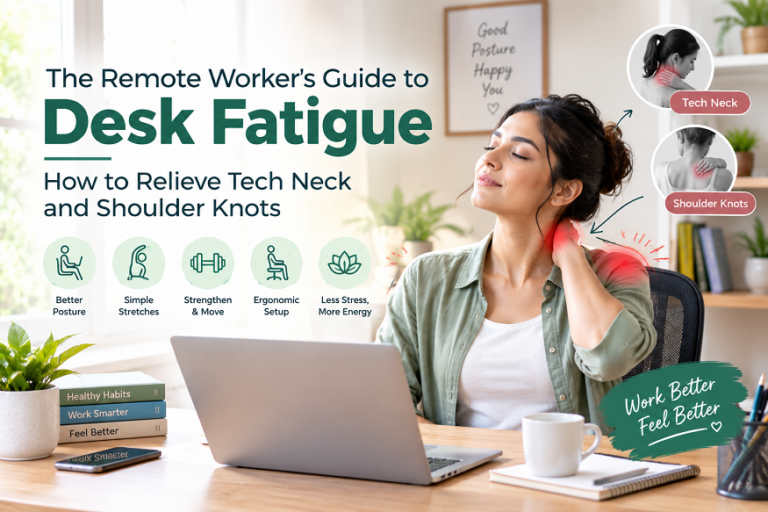
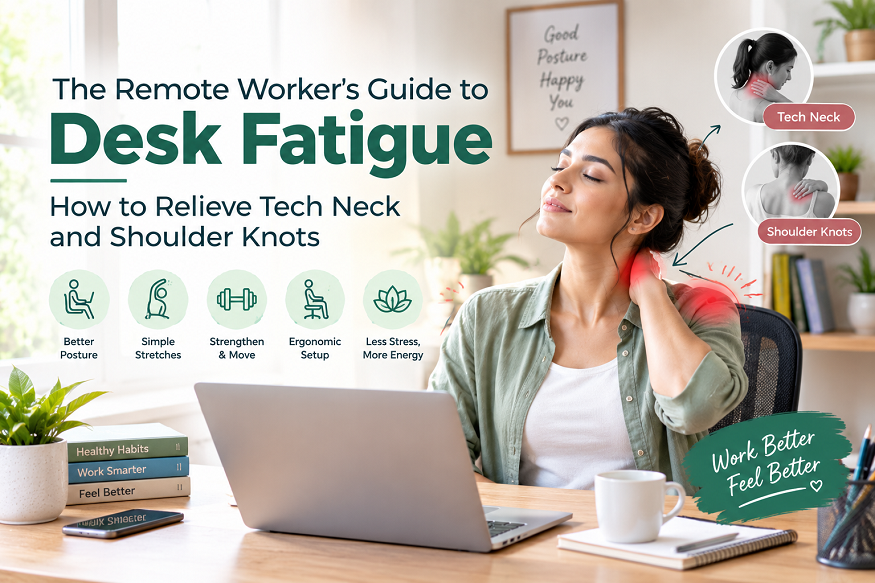
The Afternoon My Neck Filed a Complaint
Let me paint you a picture. It’s three in the afternoon, my laptop is propped on a stack of old novels, a cold coffee sits untouched, and my shoulders have crept up toward my ears like they’re plotting an escape. Sound familiar? Working from home felt dreamy at first. No commute, no awkward lift small talk, comfy trousers under the desk. But nobody warned me my body would start sending complaints. A stiff neck, burning shoulder muscles, and a dull headache that arrived every day right after lunch. After one truly grim week, I booked a session at one of thespain Andheri west out of sheer desperation, and lying there, I realised how long I’d been ignoring the warning signs. Here’s what I’ve learned since.
So What Exactly Is Tech Neck?
Now, here’s the thing about the name: it sounds like a gimmick, but it’s real. Every time you tip your head forward to peer at a screen, your neck muscles take on extra load. Your head weighs roughly as much as a bowling ball, and when it drifts ahead of your spine, the muscles at the back have to hold it up all day. Ouch. Over weeks and months, that strain bunches into knots, tightens your upper back, and sometimes sends tingling down your arms. It’s not dramatic. It sneaks up quietly, like rising water. And honestly, most of us only notice when turning to check the door becomes a full body project. Spotting it early makes everything easier to fix.
Fix the Desk Before You Fix Yourself
Hold on, let me say something unglamorous: your setup matters more than any stretch. I spent months hunched over my laptop on the sofa, then wondered why I felt like a folded umbrella. Raise your screen so the top sits near eye level. Use a separate keyboard so your arms can rest low and relaxed. Keep your feet flat, your elbows loose, your lower back supported. No fancy chair? A rolled towel behind your spine works wonders. I once balanced my screen on a cardboard box for six months, and it genuinely helped. Perfection isn’t the goal here. Small tweaks add up, and your shoulders will let you know when you’ve got it right, usually by simply not hurting.
Tiny Breaks Beat Heroic Ones
Here’s a confession: I used to promise myself an hour of yoga after work and then never do it. Too tired, too busy, too sofa shaped. What actually changed things was ridiculously small. Every thirty minutes, I stand up. That’s it. Roll the shoulders, look out the window, sip some water, maybe wander to the kitchen and stare at the fridge for no reason. Takes a minute, tops. Set a gentle timer if you forget, because we all lose track when a deadline looms. Those little interruptions stop muscles from locking into one position for hours. Think of it like stirring a pot so nothing sticks to the bottom. Boring? Maybe. Effective? Absolutely.
Read More: Peptides, Recovery, and the Science of Human Growth
Stretches You Can Do in Your Socks
Let’s talk movement, the easy kind. Start with a slow chin tuck: draw your head straight back as if making a double chin, hold for five breaths, release. Feels silly, works beautifully. Next, tilt one ear toward your shoulder and let gravity do the pulling, then switch sides. Try a doorway stretch for your chest, since hunching shortens those muscles and drags your shoulders forward. Add some gentle shoulder rolls, backward more than forward. Never push into sharp pain, though. A stretch should feel like a firm hug, not a punishment. I do mine between calls, sometimes mid sentence on mute, which my cat finds hilarious. Five minutes a day beats an hour once a month, every single time.
Build a Back That Holds You Up
Stretching alone won’t cut it, and I learned that the hard way. Weak upper back muscles can’t keep your shoulders where they belong, so they slump, and the whole cycle repeats. Simple strengthening helps. Squeeze your shoulder blades together like you’re pinching a pencil between them. Try rows with a resistance band, or even a heavy water bottle in each hand. Wall angels are another favourite, where you slide your arms up and down a wall while keeping your back flat against it. They’re awkward at first, I’ll admit. Wobbly, humbling stuff. But after a few weeks, sitting upright started feeling natural instead of exhausting, and that shift surprised me more than anything else.
Heat, Hands and Handy Little Tools
Now, about those stubborn knots. A warm shower aimed at your upper back does more than you’d think. A heat pack, left on for fifteen minutes, loosens things up nicely before stretching. For self massage, a tennis ball against the wall can reach spots your fingers can’t. Lean in slowly, find the tender patch, and breathe until it softens. Don’t grind away aggressively, though; angry muscles just clamp down harder. I used to dig my thumb into my shoulder like I was mad at it. Terrible idea. Gentle, patient pressure wins. And if one spot burns, tingles, or radiates down your arm, stop and check with a doctor rather than powering through.
Read More: Genetic Predisposition Analysis: Unlocking the Blueprint of Your Health
Sleep, Water and the Boring Basics
I know, I know, you wanted something more exciting. But tired bodies tense up faster, and dehydrated muscles feel stiffer than they need to. Check your pillow too. If it props your head at a weird angle, you’re basically adding eight hours of strain to your day. Side sleepers usually need something thicker, back sleepers something flatter. Also, watch your phone habits in the evening, because scrolling in bed with your chin tucked down undoes all your good work. Been there, did that, regretted it by morning. Wind down with some slow breathing, a warm drink, perhaps a few gentle neck circles. It’s not glamorous, but these quiet habits quietly hold everything else together.
When Your Hands Aren’t Enough
Sometimes, despite all your effort, the knots just won’t budge. That’s normal, and there’s no shame in asking for backup. A skilled therapist can reach deep layers of muscle that self care simply can’t, and they spot tight patches you didn’t know existed. I now treat a professional session like a tune up, not a luxury. Months after that first visit, I returned to Yuan Thai Spa Andheri west, and the difference in how I carried myself afterwards was obvious. Shoulders low, jaw soft, head sitting properly on my spine. Pair a session like that with your daily habits and the results last far longer. Think of it as a partnership between you and an expert.
Little Changes, Big Relief
So, to wrap up this rambling chat: fix your desk, move often, stretch kindly, strengthen steadily, and don’t hesitate to get hands on help when you need it. None of this requires a dramatic life overhaul. Start with one thing today, maybe that thirty minute stand up habit, and add another next week. Your body keeps score, as the saying goes, but it also forgives quickly when you start treating it better.
About the Author