
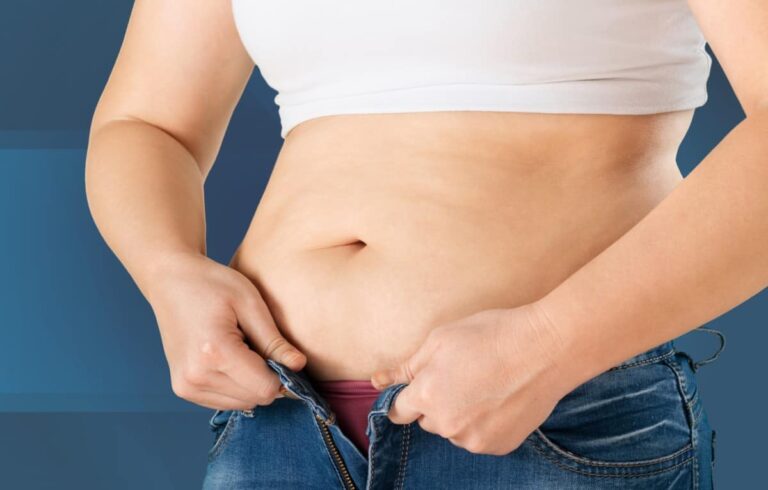
As online health searches continue to grow, a rising number of internet users are looking up the term “FUPA”, short for Fat Upper Pubic Area. The expression, widely used in online discussions about body image and wellness, refers to fat accumulation located above the pubic bone and below the lower abdomen.
Although the term may sound informal, the concept itself relates to a natural and common aspect of human anatomy. Health experts explain that fat distribution varies significantly between individuals, and the lower abdominal region is one of the body’s natural fat storage areas.
The increased curiosity surrounding this topic reflects a broader shift in public awareness about body composition, metabolic health, and realistic body expectations.
Understanding the Meaning of FUPA
The term FUPA stands for Fat Upper Pubic Area and describes a layer of fat that develops in the area known medically as the mons pubis. This fatty tissue sits directly above the pubic bone and acts as a protective cushion for underlying structures.
In many cases, a small amount of fat in this region is completely normal. However, the appearance of this lower abdominal pouch can vary depending on several factors including genetics, hormonal balance, pregnancy, and overall body fat levels.
For some individuals, the area is barely noticeable. For others, it may become more prominent due to changes in body composition over time.
Health professionals emphasize that the presence of fat in this region is not unusual and is often part of natural body structure.
Why Interest in the Topic Is Increasing
Search trends show a growing number of people looking up phrases such as “what is a FUPA”, “FUPA meaning”, and “how to get rid of FUPA”.
Part of this surge in interest comes from social media discussions surrounding body positivity and body acceptance. Platforms like TikTok and Instagram have amplified conversations about natural body shapes and the unrealistic expectations often portrayed in traditional media.
As a result, more individuals are seeking reliable health information to better understand normal variations in body composition.
Another factor driving interest is the increased focus on metabolic health and weight management. As people become more aware of how lifestyle habits influence body fat distribution, curiosity about specific areas such as the lower abdomen has grown.
Factors That Influence Fat Storage in the Lower Abdomen
Experts point out that fat accumulation in the lower abdominal region can be influenced by a combination of biological and lifestyle factors.
Genetics plays one of the most important roles. Some individuals naturally store fat in the lower abdomen and pelvic region due to inherited body composition patterns.
Hormonal fluctuations can also influence fat storage. Changes related to aging, stress, or metabolic shifts may affect how the body distributes fat.
Pregnancy is another factor that can affect the appearance of the lower abdominal area. After childbirth, some women notice changes in abdominal muscle structure and fat distribution, which can make the lower belly pouch more visible.
Weight gain and overall body fat percentage also contribute to how noticeable this area becomes.
Medical experts note that these variations are normal and that fat storage patterns differ widely among individuals.
Lifestyle Habits That May Influence Lower Belly Fat
Although targeted fat loss in one specific area of the body is not possible, certain lifestyle habits may help reduce overall body fat, which can gradually affect the lower abdominal region.
Regular physical activity plays a central role in maintaining healthy body composition. Cardiovascular exercises such as running, swimming, or cycling help burn calories and support fat loss.
Strength training and core exercises can also help improve muscle tone in the abdominal region.
Nutrition is another key factor. A balanced diet that prioritizes whole foods, lean proteins, vegetables, and fiber supports healthy metabolism and weight management.
Sleep quality and stress management are equally important. Research suggests that chronic stress may increase levels of the hormone cortisol, which is associated with fat storage around the abdomen.
Adopting consistent healthy lifestyle habits can therefore contribute to gradual improvements in body composition over time.
The Importance of Reliable Health Information
As discussions around body image and wellness continue to evolve, many health professionals stress the importance of accurate information when addressing topics like FUPA.
Misconceptions about body fat distribution can sometimes lead to unrealistic expectations or unhealthy weight loss practices. Understanding the biological factors that influence body shape can help individuals make more informed decisions about their health.
A detailed explanation of the topic, including causes, lifestyle strategies, and common misconceptions, can be found in the guide “FUPA Meaning: What Is a FUPA and How to Get Rid of It Naturally.”
Readers interested in learning more about FUPA meaning and how to reduce it naturally can explore the full article here:
Growing Awareness Around Body Diversity
In recent years, conversations about body diversity and realistic health standards have become more prominent in public discourse.
Experts note that recognizing natural variations in body composition can help reduce stigma while encouraging healthier lifestyle habits.
As interest in wellness and longevity continues to grow, topics like FUPA are increasingly discussed not only in medical contexts but also in broader conversations about health education and body awareness.
Understanding these aspects of human anatomy ultimately helps individuals focus less on unrealistic physical ideals and more on sustainable health and well-being.
About the Author