That Saturday takeout fork will outlast us all. So will the coffee cup lid from this morning. The straw from last night’s drink? Still around in 2224. The word “disposable” plays a cruel joke. These things never really go away.
The Lie Behind Disposable Products
Disposability started as a sales gimmick in the 1950s. Razor companies figured something out. Selling one good razor meant one sale per customer. But plastic throwaway razors? Customers for life. Brilliant for business. Terrible for everything else. People fell hard for the convenience. No washing dishes. No sharpening blades. No maintenance on anything. Just use it and chuck it. Except “away” doesn’t exist. There’s just “somewhere else.”
Landfills tell the truth. Plastic bottles require about 450 years to decompose. But they don’t really decompose. They break down into tiny fragments that remain indefinitely. Styrofoam takes 1,000 years to decompose. Nineteen-sixties baby diapers remain intact in landfills. Future archaeologists will examine our trash and question our choices.
Hidden Costs Add Up Fast
Five-dollar plastic razors seem smart until you do the math. Buy them every month for forty years. That’s $2,400. A thirty-dollar metal razor with ten-cent blade refills? Maybe fifty bucks total over the same period. The “cheap” option costs fifty times more.
Cities blow millions on waste management. Taxpayers foot the bill while companies profit from making tomorrow’s garbage. Sweet deal for manufacturers. Raw deal for everyone else. We’re using up oil, trees, and water at an alarming rate to create all this waste. Factories operate continuously, transforming valuable resources into items that are used for a mere three minutes. A plastic spoon – a product of petroleum, heat, chemicals, and machinery – is discarded after a single use. The level of stupidity is astonishing.
Nature Shows a Better Way
Watch what happens to a fallen tree. Bugs move in. Mushrooms sprout. Birds build nests. Within years, it becomes soil that feeds new trees. No waste. No poison. Just cycles that worked for millions of years before humans decided they knew better. Some companies are waking up. Plates made from wheat stalks that decompose in weeks. Packaging grown from mushroom fiber. Forks carved from avocado pits. They do their job, then return to dirt. No thousand-year wait is required.
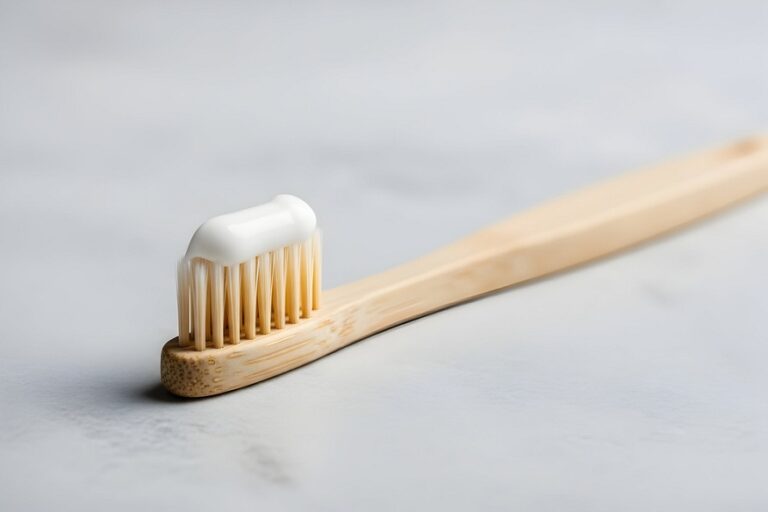
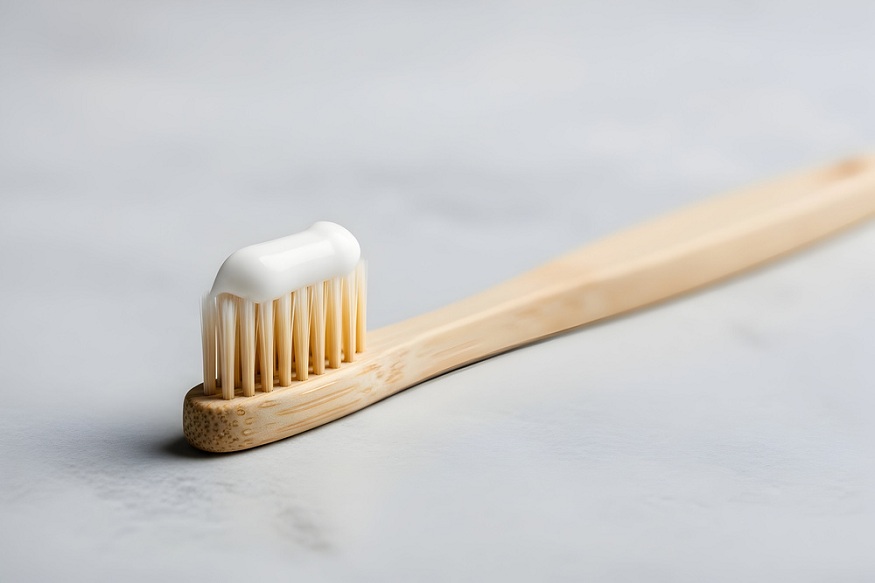
Ecofam is a company that employs bamboo and plant-based bristles in creating compostable toothbrushes. When it’s time to replace it, the toothbrush can be composted. It will transform into plant food by springtime. No plastic handle haunting landfills until the sun burns out. Just common-sense design that respects tomorrow.
Changing the Definition
Disposable needs a new meaning. Temporary. Biodegradable. Gone within a reasonable time. Not geological ages. A napkin should last through dinner, not through dynasties.
France banned plastic plates and cups. Kenya outlawed plastic bags, with jail time for violators. Taiwan prohibited single-use plastics entirely. These aren’t tree-hugging fantasies. They’re working policies in real countries. Restaurants switched to washable plates. Shoppers brought reusable bags. Life continued normally, just with less trash.
Scientists cook up new materials weekly. Plastic from cactus juice. Packaging from seaweed. Straws from pasta. Some dissolve in hot water. Others become fish food. The solutions exist. Companies just need the spine to use them.
Conclusion
The disposable delusion needs to end. Future generations shouldn’t inherit our laziness wrapped in plastic. They deserve oceans without garbage islands. Soil without microplastics. Landfills that actually decompose. Nobody’s asking for perfection. Sometimes disposables make sense. Medical supplies need to be sterile and single use. But a plastic fork that outlasts civilizations? That’s not convenient. That’s crazy. Time to dispose of the idea that disposable means forever. Because forever is exactly what we cannot afford.
About the Author