Walk onto a hospital floor today and you won’t find robots in the hallway or glowing charts floating over the beds. The real changes in nursing are a lot quieter than that. Most nurses are already working next to them and barely register it.
Where The Hours Actually Go
Ask a nurse what eats their shift. You’ll hear about documentation before they finish the sentence. Charting and order entry. Care plans and logging every single medication. Study after study on nursing workload keeps circling the same uncomfortable fact. This fact is that a huge slice of the shift belongs to the computer and not the patient. And that’s a big part of why people burn out.
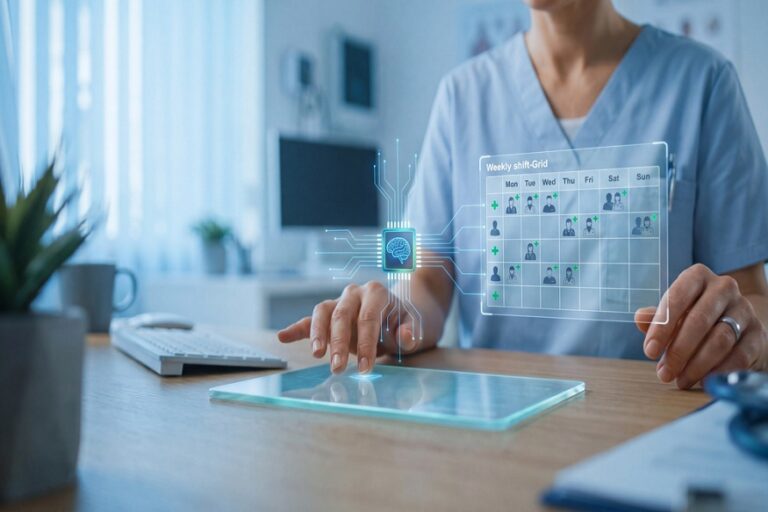
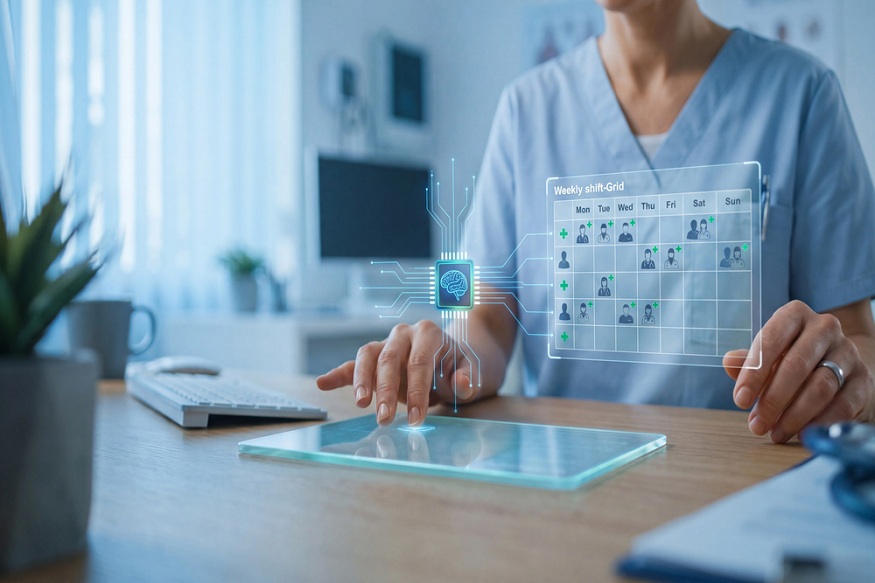
A lot of the newer tools are aimed right at this. Ambient documentation listens to a patient conversation and drafts the note, so instead of typing from a blank screen the nurse is reading something over and fixing what’s wrong. Predictive staffing tries to guess which units are about to get hammered, which at least gives a charge nurse the chance to move people before the floor’s underwater instead of after. None of it is exciting to look at. It’s also the kind of thing that decides whether you leave your shift with anything left in the tank.
Read More: The Remote Worker’s Guide to Desk Fatigue: How to Relieve Tech Neck and Shoulder Knots
But here’s the problem nobody likes to say out loud. These tools only help when they’re right and people trust them. An alert that goes off for no reason gets ignored within a week, and alert fatigue is a real way patients get hurt. A documentation tool that mishears a dose hands you more work plus a safety risk you didn’t have before. This means nurses gain an extra task on top of their usual work, namely overseeing the machine and judging when to overrule its decisions.
The Skill That Never Made The Job Description
This is the part that usually gets skipped when people get excited about healthcare tech. Somebody has to understand the algorithm well enough to push back on it.
You can do that without writing any code or making models. What you really need is the skill to detect when a prediction seems wrong, to grasp why a tool may perform poorly with some patients, and to recognise what the system is actually analysing and what it overlooks. A sepsis model built mostly from one kind of patient can quietly miss the early warning signs in everyone who doesn’t fit the mold. And if the person at the bedside just trusts the green light, the technology has made the care worse instead of better.
Which is why the training is finally starting to catch up. An AI nurse practitioner course can close some of those gaps, getting into how these models reach their conclusions, where they tend to fall apart, and how to fit their output into actual bedside judgment. ProTrain offers this kind of thing for people who’d rather understand the tools than be caught off guard by them. The goal isn’t to turn nurses into data scientists. It’s smaller and more honest than that. Make sure the human who’s supposed to be in the loop is really in a position to be.
Read More: Peptides, Recovery, and the Science of Human Growth
Conclusion
A fair amount of today’s technology will look oversold in a few years, and some of it will get swapped out for something better. The direction, though, isn’t really in doubt anymore. This stuff isn’t going to announce itself. It’s already in the charting software, the monitors, the staffing screens, slowly changing what a shift feels like from the inside. The nurses who bother to understand it are the ones who’ll get a say in how that turns out, and that beats finding out the hard way.
About the Author